Wastewater management refers to the collection, treatment, and safe disposal or reuse of wastewater[1]. Wastewater, also known as sewage, contains impurities that need to be removed before it can be released into natural bodies of water or reused for various purposes[1].
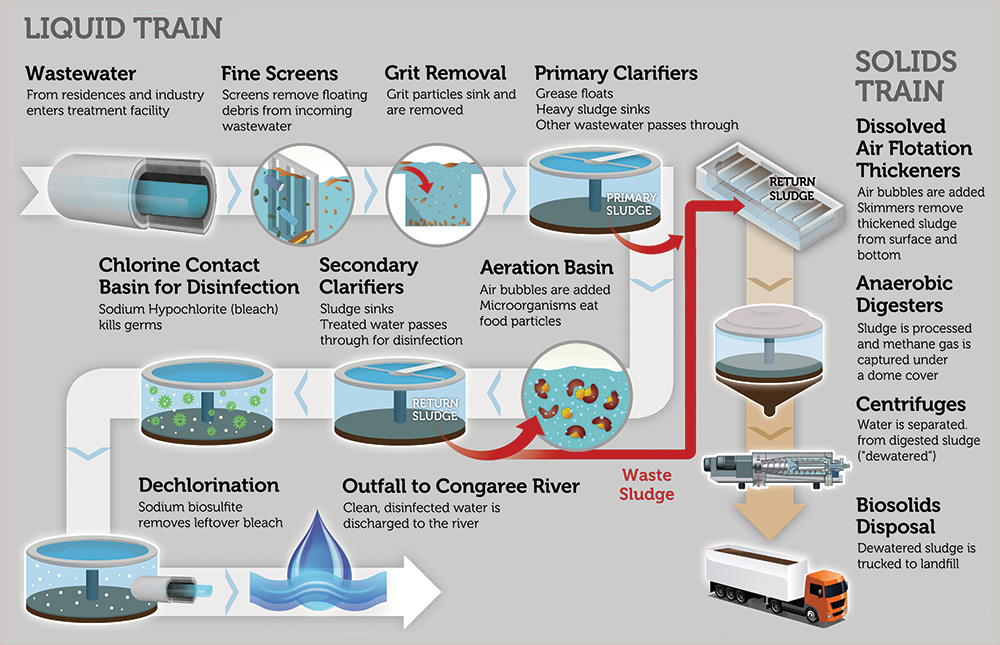
The process of wastewater treatment involves several steps, including physical, biological, and chemical processes, to remove contaminants from the wastewater[1]. It typically includes the removal of solids, organic matter, nutrients (such as nitrogen and phosphorus), and harmful substances like pathogens and toxic chemicals[1].
Proper wastewater management is essential for protecting public health and the environment[1]. It helps prevent the contamination of surface water and groundwater sources, reducing the risk of waterborne diseases and ensuring the availability of clean water for various uses[1].
In addition to protecting human health, wastewater management plays a crucial role in sustainable development. By treating and reusing wastewater, valuable resources such as water, nutrients, and energy can be recovered[1]. This contributes to water conservation, reduces the strain on freshwater sources, and promotes a circular economy approach to resource management[1].
To optimize wastewater treatment and sanitation, it is important to consider the causes and impacts of the global water quality crisis, as well as implement innovative solutions[2]. Advances in technology have led to new trends in the wastewater management industry, such as digital platforms for waste management and the adoption of more efficient treatment systems[3].
Overall, wastewater management is a critical aspect of environmental stewardship, public health protection, and sustainable development[1][3].
Sources:
Wastewater treatment | Process, History, Importance, Systems | Encyclopedia Britannica
Wastewater management: 1. Introduction - GreenFacts
New Technology Trends in the Wastewater Management Industry - Forbes Wastewater treatment | Process, History, Importance, Systems | Encyclopedia Britannica Wastewater treatment | Process, History, Importance, Systems | Encyclopedia Britannica
Wastewater management refers to the collection, treatment, and safe disposal or reuse of wastewater[1]. Wastewater, also known as sewage, contains impurities that need to be removed before it can be released into natural bodies of water or reused for various purposes[1].
The process of wastewater treatment involves several steps, including physical, biological, and chemical processes, to remove contaminants from the wastewater[1]. It typically includes the removal of solids, organic matter, nutrients (such as nitrogen and phosphorus), and harmful substances like pathogens and toxic chemicals[1].
Proper wastewater management is essential for protecting public health and the environment[1]. It helps prevent the contamination of surface water and groundwater sources, reducing the risk of waterborne diseases and ensuring the availability of clean water for various uses[1].
In addition to protecting human health, wastewater management plays a crucial role in sustainable development. By treating and reusing wastewater, valuable resources such as water, nutrients, and energy can be recovered[1]. This contributes to water conservation, reduces the strain on freshwater sources, and promotes a circular economy approach to resource management[1].
To optimize wastewater treatment and sanitation, it is important to consider the causes and impacts of the global water quality crisis, as well as implement innovative solutions[2]. Advances in technology have led to new trends in the wastewater management industry, such as digital platforms for waste management and the adoption of more efficient treatment systems[3].
Overall, wastewater management is a critical aspect of environmental stewardship, public health protection, and sustainable development[1][3].
Sources:
Wastewater treatment | Process, History, Importance, Systems | Encyclopedia Britannica
Wastewater management: 1. Introduction - GreenFacts
New Technology Trends in the Wastewater Management Industry - Forbes
By
-T.Krishna



Comments
Post a Comment