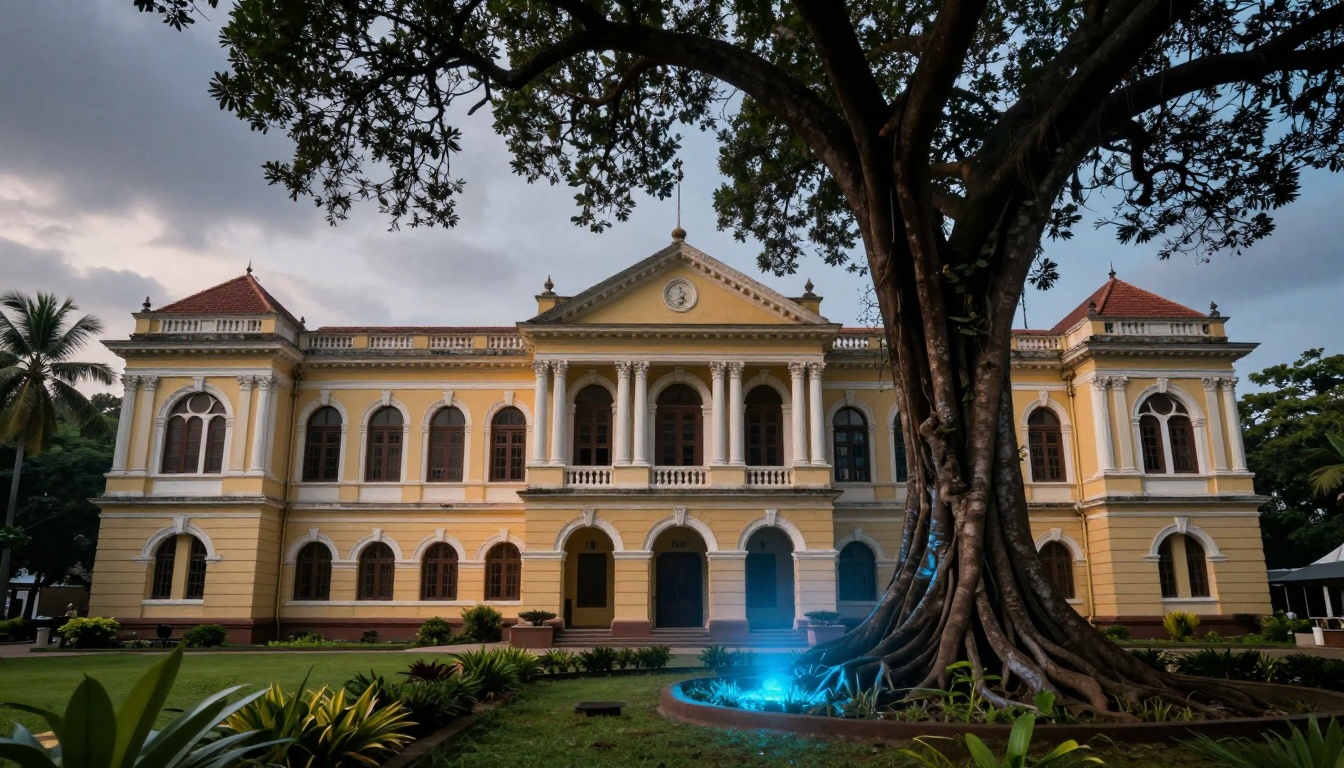
Theosophical Society, Adyar: Unveiling the Global Epicenter of Esoteric Wisdom
Nestled along the Bay of Bengal, the Theosophical Society Adyar stands as a beacon for seekers of hidden truths. This place isn't just a spot on the map in Chennai, India—it's the beating heart of a movement that blends old secrets with fresh questions. Founded on ideas of unity and discovery, it draws people from every corner of the globe to explore life's big mysteries.
What makes Adyar so special? It's the official international headquarters of the Theosophical Society, a role it's held since 1882. Here, ancient wisdom meets modern minds, shaping how we think about spirituality today. Let's dive into its story, from humble beginnings to its lasting impact.
The Genesis and Evolution of the International Headquarters
Founding Vision and the Arrival in Adyar
Henry Steel Olcott, Helena Petrovna Blavatsky, and William Quan Judge started the Theosophical Society in New York back in 1875. They aimed to uncover truths buried in old religions and sciences. But the group needed a stable home, away from city noise.
In 1882, they found that in Adyar, a quiet riverside estate near Madras, now Chennai. Olcott bought the 260-acre property for its calm vibe and space for growth. This move turned a simple plot into a powerhouse for spiritual work. Unlike past spots in New York or Bombay, Adyar offered room for libraries, gardens, and gatherings that could last.
The founders saw it as a lab for the soul. They set up printing presses right away to share their finds. That choice sparked a wave of books and talks that spread Theosophy far and wide. Adyar quickly became the go-to spot for anyone chasing deeper knowledge.
Key Figures Shaping the Adyar Legacy
After Blavatsky's death in 1891, the Society faced tough times. Splits happened, but the Adyar branch held strong under new leaders. Annie Besant took charge in 1907 and made Adyar a global force. She pushed for education and pushed back against old biases.
From Adyar, Besant launched campaigns for India's freedom and women's rights. She worked with C.W. Leadbeater on books that explained clairvoyance and ancient lore. Their efforts from the headquarters built a solid base for Theosophy's spread.
Later leaders like George Arundale kept the flame alive. They hosted world congresses and mended rifts with other groups. Even through wars and changes, Adyar stayed the main hub. Its steady hand guided sections in over 60 countries today.
Adyar: A Hub for Philosophical and Spiritual Research
The Core Teachings: The Three Objects in Practice
The Theosophical Society rests on three key goals. First, they build a brotherhood without walls—no race, creed, or class divides. At Adyar, this shows in daily life. Members from all backgrounds join retreats and share meals, proving unity in action.
Second, the group studies religions, philosophies, and sciences side by side. Adyar's programs compare Hindu texts with Buddhist ones, or Western science with Eastern views. Workshops here help you see links between, say, karma in India and fate in Greece. It's like piecing a puzzle where every belief fits.
Third, they probe nature's hidden rules and human powers. Think psychics or meditation's effects—Adyar digs into those. Labs and talks test ideas, like how crystals might aid healing. Real studies from the site back claims with facts, not just faith.
These objects aren't dusty rules. They're alive in Adyar's events. You could attend a seminar on astral travel or a class on world myths. Each one ties back to the headquarters' mission of open inquiry.
The Adyar Library and Archives: A Repository of Esoterica
Step into the Adyar Library, and you're in a treasure chest of forgotten knowledge. It holds over 250,000 books, including rare scrolls from Tibet and first prints of Blavatsky's works. This spot in Chennai beats many university collections for depth in Eastern secrets.
Scholars flock here for Sanskrit manuscripts on yoga or occult texts from old Europe. The library got a big boost in 1886 when Blavatsky donated her stash. Today, it's open to all—no membership needed for most reads. That openness makes it a goldmine for researchers on global faiths.
One highlight? The palm-leaf books from South India, etched with spells and stories. Staff digitize them to save for the future. If you're into occult history, Adyar's archives offer clues no online search can match. It's a quiet force behind Theosophy's brain trust.
Architectural Significance and the Adyar Estate
Landmarks of the International Headquarters
The Headquarters Building, once called Adyar House, welcomes you with open arms. Built in 1882, it mixes British colonial style with Indian touches—like carved doors and verandas for shade. Inside, offices buzz with plans for global outreach.
Walk the grounds, and you'll spot the Blavatsky Bungalow, her old home now a museum. It holds relics like her writing desk. Nearby, the Leadbeater Chambers add to the charm with simple rooms that echo past meditations.
The estate shines with peace. Palm trees sway, and birds call out. It's a break from city rush, drawing you to think deep. Monuments like the Mahatma Gandhi statue remind of ties to bigger fights for truth.
Maintaining a Global Presence from Chennai
Adyar isn't just pretty—it's the nerve center. From here, leaders direct 40,000 members worldwide. Emails, calls, and visits keep national branches in sync, from the US to Australia.
Publishing flows from Adyar too. The Theosophist magazine, started in 1879, reaches readers in 20 languages. They translate key texts so ideas cross borders easy. It's like a web with Adyar at the core.
Logistics hum along. Staff handle funds, events, and aid for sections hit by storms or shifts. This setup keeps the movement one big family. Chennai's spot near the sea even helps—ships once brought books; now planes do the job.
Education and Cultural Outreach: Adyar's Modern Contributions
Theosophical Educational Initiatives
Adyar links to schools that teach more than books. The Besant Memorial School nearby follows Theosophical ways, stressing ethics and arts. Founded in 1934, it shapes young minds with values of kindness and curiosity.
Scouting got a boost here too. Besant started groups that mix fun with spiritual growth—think hikes that teach brotherhood. Today, Adyar hosts summer camps for kids, full of games and talks on nature's wonders.
Workshops draw adults too. You might join a yoga session or a course on meditation basics. These hands-on classes happen year-round, right on the campus. They turn abstract ideas into skills you can use daily.
Intercultural Dialogue and Public Engagement
Adyar opens doors wide for talks that bridge gaps. Big conferences, like the 1920s ones with Jiddu Krishnamurti, pulled in thinkers from all faiths. Even now, events draw rabbis, imams, and priests to chat peace.
Public lectures pack the hall. Topics range from ancient Egypt to quantum links with spirit. Non-members join free, sparking fresh views. It's how Adyar fights narrow minds.
Art blooms here as well. The Society backed music festivals with Indian ragas meeting Western tunes. In the 1900s, they supported writers who wove Theosophy into novels. These efforts spread wisdom through beauty, touching hearts beyond words.
Conclusion: The Enduring Resonance of the Adyar Center
The Theosophical Society Adyar remains a vital spot in Chennai, blending history with hope. As the international headquarters, it guards old truths while welcoming new questions. From its founding spark to today's global reach, Adyar proves spirit endures.
Its role as a wisdom hub inspires us all. Whether you're a seeker or just curious, this place calls you to explore.
- Treasure Trove of Knowledge: The library holds secrets from East to West, open for your discovery.
- Command Post for Unity: It steers a worldwide network toward shared goals.
- School for the Soul: Programs teach practical paths to inner growth.
- Bridge of Beliefs: Events unite faiths, fostering peace in a divided world.
Ready to visit? Plan a trip to Adyar—walk its paths, feel the energy, and uncover your own truths. The gate awaits.


Comments
Post a Comment